Chapter 11: Aurangzeb—The Emperor Who Walked Alone
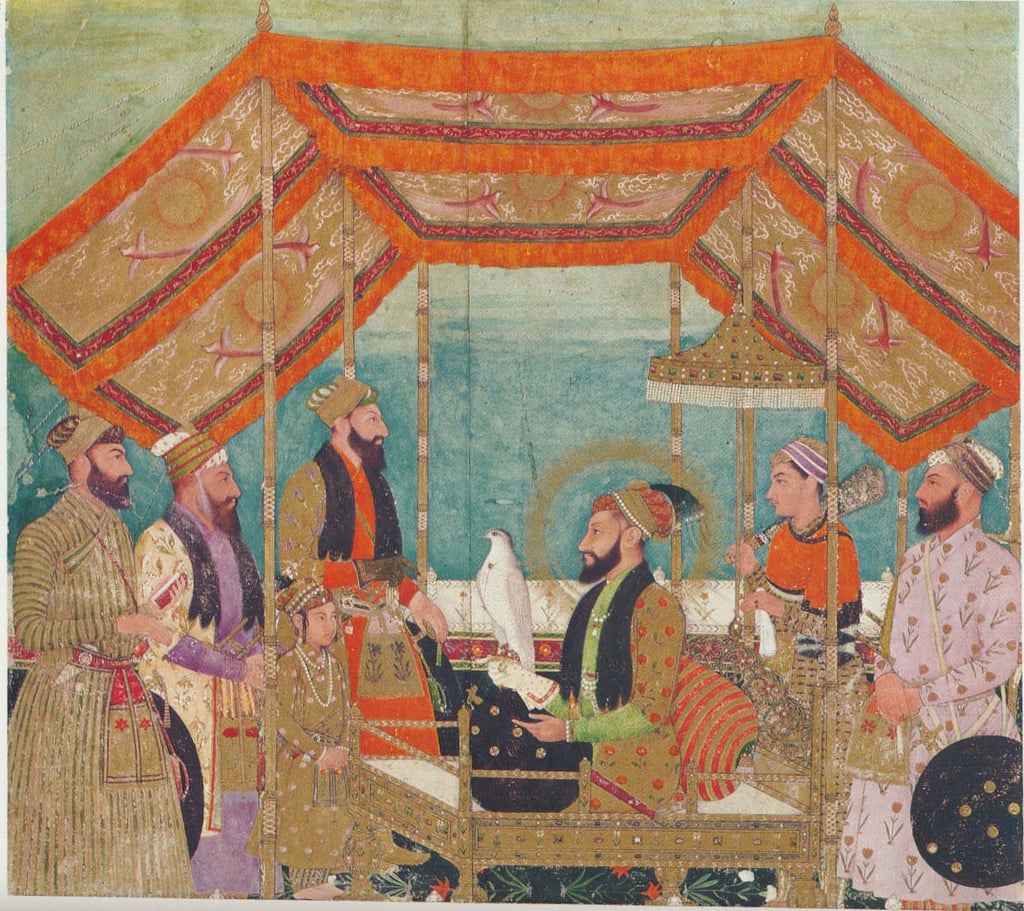
Aurangzeb was unlike his predecessors. While his great-grandfather Akbar had embraced tolerance and pluralism, Aurangzeb chose a different path—one guided by strict devotion to Islam. He believed deeply that only through firm adherence to Islamic principles could his empire truly flourish.
THE BRIEF HISTORY OF ISLAM!
Danish Shafiq
6/18/20264 min read
Chapter 11: Aurangzeb—The Emperor Who Walked Alone
The mighty Mughal Empire, built carefully over generations, now rested upon the shoulders of Aurangzeb, a stern yet deeply devoted emperor whose heart carried both the fire of faith and the weight of responsibility. Aurangzeb stood quietly on the marble balcony of his palace in Delhi, looking over an empire that stretched endlessly before him—an empire built by Babur’s bravery, Akbar’s wisdom, and Shah Jahan’s beauty. Yet now, it faced a future clouded with uncertainty.
Aurangzeb was unlike his predecessors. While his great-grandfather Akbar had embraced tolerance and pluralism, Aurangzeb chose a different path—one guided by strict devotion to Islam. He believed deeply that only through firm adherence to Islamic principles could his empire truly flourish.
A Man of Principle!
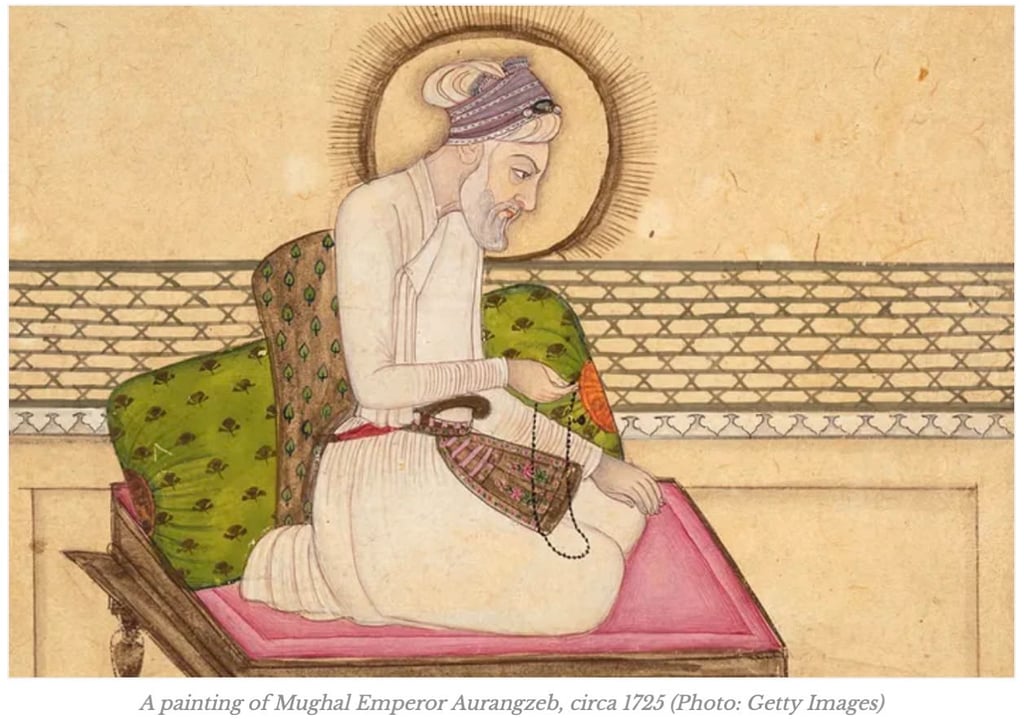
Unlike his ancestors, Aurangzeb lived simply, wearing plain clothes, refusing lavish palaces, and spending nights praying alone in the darkness. His deep piety impressed many; yet his rigid views would soon challenge the delicate harmony established by his great-grandfather, Akbar.
One morning, Aurangzeb summoned his court scholars, advisors, and generals. With a serious expression, he explained, “Justice and piety must return to this land. Wealth and splendor have made us forget the teachings of Islam. It is time we return.”
Some applauded his words; others grew uneasy, fearing what such strictness might bring.
Expansion and Rebellion!
Aurangzeb’s reign began with great victories. Under his command, Mughal armies conquered vast territories deep in southern India, stretching the empire’s borders wider than ever before. Victories came swiftly, and Islam’s influence spread further across the subcontinent.
Yet victories brought hidden costs. As Aurangzeb tightened Islamic laws, enforcing strict regulations, resentment slowly grew among Hindus, Sikhs, and even some Muslims. Temples and monuments beloved by Hindus were sometimes damaged or demolished, causing pain and bitterness among communities that had long lived peacefully together.
Aurangzeb meant no cruelty—his intentions sprang from deep faith—but the unintended consequences were growing tensions, rebellions, and endless unrest.
Shadows of Division!
Slowly, the empire fractured. Sikh rebellions erupted fiercely in Punjab, led by the courageous Guru Gobind Singh. Aurangzeb’s armies pursued relentlessly, yet Sikh bravery inspired more resistance. In Maharashtra, a brilliant Maratha warrior named Shivaji challenged Mughal authority repeatedly, skillfully evading capture and frustrating Aurangzeb’s generals. Shivaji’s defiance inspired others, spreading rebellion like wildfire.
Aurangzeb spent decades chasing rebellions across mountains and forests, exhausting both himself and his empire. As he aged, sadness filled his heart. The unity his ancestors built was slipping away, and he wondered quietly if he had chosen the right path.
The Lonely Emperor!
In his final years, Aurangzeb’s empire trembled beneath constant warfare. Yet, even then, Aurangzeb never abandoned prayer. Each night he knelt humbly, alone beneath starry skies, whispering softly for forgiveness, guidance, and strength.
Aurangzeb passed away quietly in 1707, his grave a simple mound of earth—no marble tomb or golden dome. He chose humility even in death, leaving behind a fractured empire struggling to remain whole.
The Empire Crumbles!
With Aurangzeb gone, the Mughal Empire unraveled swiftly. His sons fought bitterly for the throne, weakening their legacy further. Regional rulers, seeing weakness in Delhi, declared independence. Soon, Persia’s Nadir Shah invaded India, looting Delhi’s treasures and leaving behind destruction and despair.
The British, waiting patiently in coastal forts, saw their opportunity. Slowly, they took advantage of Mughal weakness, spreading their influence across India. The Mughal Empire, once the jewel of Islamic civilization, faded into shadow, replaced gradually by British rule.
Islam’s Journey Across the World!
But while Mughal power faded in India, elsewhere Islam continued its extraordinary journey.
In the heart of Europe, the Ottoman Empire flourished magnificently, its sultans ruling proudly from their grand palaces in Istanbul. The Ottoman armies stood proudly at the gates of Vienna, challenging Europe’s kings. Though Vienna was never conquered, Islam’s cultural influence spread deeply into Europe, shaping art, science, and literature.
In Africa, empires such as Mali and Songhai embraced Islam, becoming thriving centers of learning and commerce. Scholars like Mansa Musa brought Islamic teachings, science, and wealth across West Africa, creating legendary cities like Timbuktu—where knowledge blossomed beautifully in libraries filled with wisdom.
Far in Southeast Asia, traders and travelers spread Islam peacefully, transforming societies gently. Indonesia and Malaysia embraced Islam, creating vibrant cultures blending ancient traditions with new faith, becoming peaceful centers of Islamic civilization.
Endings and New Beginnings!
Back in India, though Mughal splendor had vanished, the spirit of Islam survived through poetry, music, art, and the hearts of millions. Scholars and poets like Mirza Ghalib and Sir Syed Ahmed Khan kept Islam’s spirit alive through writings and education, nurturing hope for future generations.
As Aurangzeb had learned painfully, history showed again that empires rose and fell, but the essence of faith—justice, kindness, knowledge, and compassion—endured forever.
The Mongol legacy, once feared, now blended beautifully into the tapestry of Islamic history. Empires had come and gone, battles fought and forgotten, but Islam’s quiet message continued forward: spreading through gentle hearts, carried by scholars, poets, traders, and warriors alike.
Islam had traveled far from Medina’s humble beginnings. It had witnessed astonishing glory and heartbreaking tragedy, yet it had always adapted, endured, and survived.
Standing at the threshold of a new era, Muslims across the world paused, reflecting deeply. They understood that while empires might crumble, their journey of faith would continue, guided gently by the lessons history had taught them.
(End of Chapter 11)