
Chapter 8: After the Flames—How the Mongols Embraced Islam!
One evening, in the soft glow of campfires, Berke summoned an elderly scholar named Jamal al-Din. Gently, Berke asked him questions about Islam—about justice, mercy, and purpose. The scholar patiently explained the teachings of the Prophet Muhammad, describing a God who valued compassion above power, forgiveness above revenge, and kindness above cruelty.
THE BRIEF HISTORY OF ISLAM!
Danish Shafiq
6/18/20264 min read
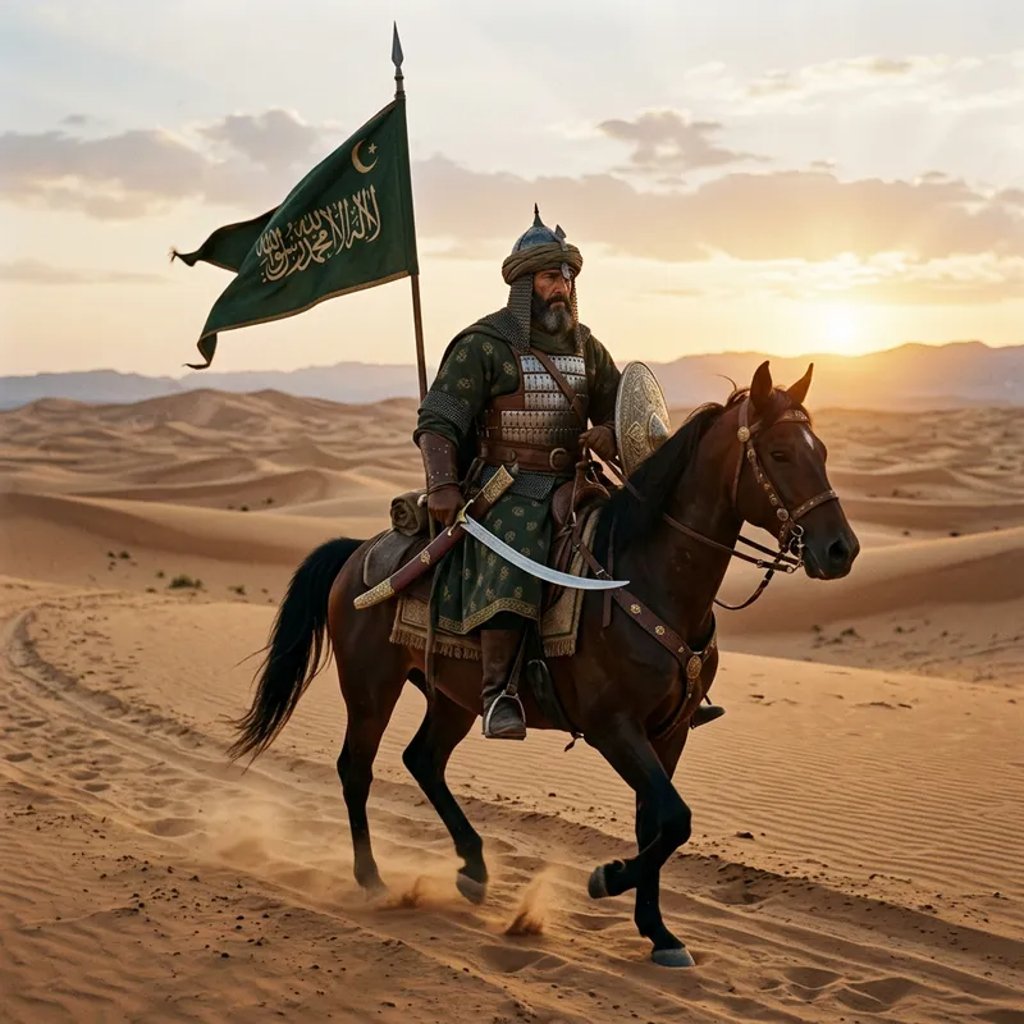
Chapter 8: After the Flames—How the Mongols Embraced Islam
Smoke still drifted over the shattered city of Baghdad, painting the horizon grey, even weeks after Hulagu Khan’s devastating conquest. Once the center of knowledge, splendor, and culture, the proud city now lay in ashes—its famous libraries burned, its grand palaces broken, and its bustling markets empty. Those who survived walked through rubble-filled streets, stunned and speechless, unable to comprehend how their shining jewel had vanished in just days.
But history is full of surprising turns, and from this moment of darkness, something extraordinary was quietly beginning to emerge.
The Khan Who Questioned!
Thousands of miles east, deep within the vast Mongol Empire, Berke Khan, ruler of the Golden Horde and a cousin of Hulagu, sat thoughtfully inside his lavish tent. Fierce yet thoughtful, Berke was no ordinary Mongol warrior. Though raised as a fearless soldier, he had recently begun exploring ideas that challenged his people’s ancient beliefs.
Berke listened closely as his advisors described the destruction in Baghdad. Though born a warrior and trained to show no mercy, Berke found himself strangely troubled by the stories. His heart felt restless—he respected strength and courage, but the Mongol brutality at Baghdad felt excessive, even to him.
His curiosity deepened as Muslim scholars, captured in distant battles, arrived in his court. Berke found himself drawn to their calm wisdom and profound sense of peace, despite their suffering. He admired their dignity and courage, traits he deeply respected.
One evening, in the soft glow of campfires, Berke summoned an elderly scholar named Jamal al-Din. Gently, Berke asked him questions about Islam—about justice, mercy, and purpose. The scholar patiently explained the teachings of the Prophet Muhammad, describing a God who valued compassion above power, forgiveness above revenge, and kindness above cruelty.
Something within Berke changed deeply that night. Quietly, secretly at first, Berke embraced Islam, becoming the first major Mongol ruler to do so. From that moment onward, he vowed to defend his new faith.
A Rift Among the Mongols!
Back in Persia, Hulagu Khan ruled brutally, determined to crush resistance and spread fear. But now he faced unexpected trouble from an unlikely source: his own cousin, Berke Khan.
Berke openly criticized Hulagu’s brutal attacks on Muslims. "You have disgraced our ancestors with needless cruelty," Berke wrote defiantly. Hulagu dismissed Berke’s concerns, unaware that Islam had profoundly reshaped Berke’s heart and mind. Soon, tensions erupted into open conflict between these two powerful Mongol leaders.
The Battle Between Two Khans!
In 1262, war erupted between Berke’s Golden Horde and Hulagu’s armies. Warriors who once rode side by side into battle now faced each other as bitter enemies. It was Mongol against Mongol, cousin against cousin—but this time, Berke stood not just as a Mongol warrior, but as a protector of Islam itself.
Fierce battles tore across Persia and Central Asia, with no clear victor. Yet, Berke’s stubborn resistance halted further Mongol attacks toward Islamic lands. For the first time, Muslims realized the Mongols were not invincible; there was hope, after all.
The Ilkhanate—From Enemy to Ally!
Years passed, and Mongol rulers in Persia, known as the Ilkhans, grew curious about Islam themselves. Slowly, their hearts softened as they settled among Muslims, learning Islamic customs, language, and wisdom. Hulagu’s great-grandson, Ghazan Khan, became particularly interested. Intelligent, thoughtful, and respectful of wisdom, Ghazan questioned his advisors constantly about Islam.
Eventually, Ghazan summoned scholars, priests, and wise men from across the empire, seeking truth earnestly. One night, beneath a clear sky filled with stars, Ghazan openly declared his acceptance of Islam. He stood humbly before his people, declaring boldly, “From today, Islam shall guide my heart, my actions, and my rule.”
His public conversion changed history profoundly. Islam was now embraced openly by the powerful Mongol leaders who had once threatened its very existence.
Islam’s Revival under Ghazan Khan!
Ghazan transformed the Mongol Empire profoundly. Mosques rose again in cities ravaged decades earlier. Libraries, schools, and hospitals flourished anew. Ghazan’s justice became legendary—he outlawed corruption, reduced taxes on the poor, and protected minority communities. Slowly but surely, the scars of Mongol brutality healed.
Islam had done the impossible—it had peacefully conquered the hearts of its conquerors.
Tamerlane—Islam’s Fierce Protector!
Yet even this peace remained fragile. From the steppes emerged another powerful leader, Timur—known in history as Tamerlane—a fierce warrior who claimed lineage from Genghis Khan himself. Ambitious and unyielding, Timur was both ruthless conqueror and devout Muslim.
Tamerlane's armies thundered through Persia, India, and Central Asia. Cities fell quickly before him. Yet, unlike Hulagu, Timur respected Muslim scholars and often sought their advice. Though feared for his severity, Timur deeply admired Islam, passionately defending it even as he conquered new lands.
When Timur conquered Delhi, India’s magnificent capital, he did so brutally. Yet afterward, he rebuilt beautiful mosques, madrassas, and monuments, spreading Islamic culture and architecture throughout the lands he conquered. His brutality terrified enemies, but his passion for Islam inspired allies. Under his rule, Islamic arts, sciences, and scholarship enjoyed a powerful rebirth, rising beautifully from the ashes of war.
A Strange Legacy!
The Mongol invasions that began in blood and chaos ended in a remarkable twist of destiny. Genghis Khan’s ruthless descendants, who once threatened Islam’s very survival, eventually became its protectors, champions, and greatest supporters.
Their journey—from fierce warriors of destruction to devoted defenders of Islam—was nothing short of miraculous. Islam, nearly extinguished by Mongol swords, was revived by Mongol hearts.
As the dust settled and cities rebuilt, Muslims reflected upon the strange path their faith had traveled. Once again, history proved that Islam had a resilience stronger than empires, more enduring than swords, and capable of transforming even the hardest hearts.
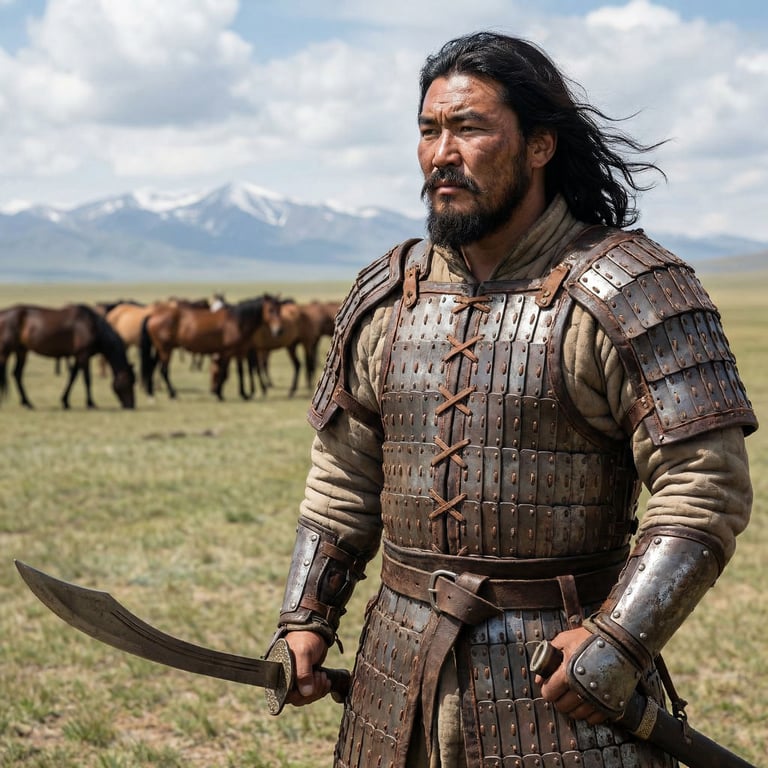
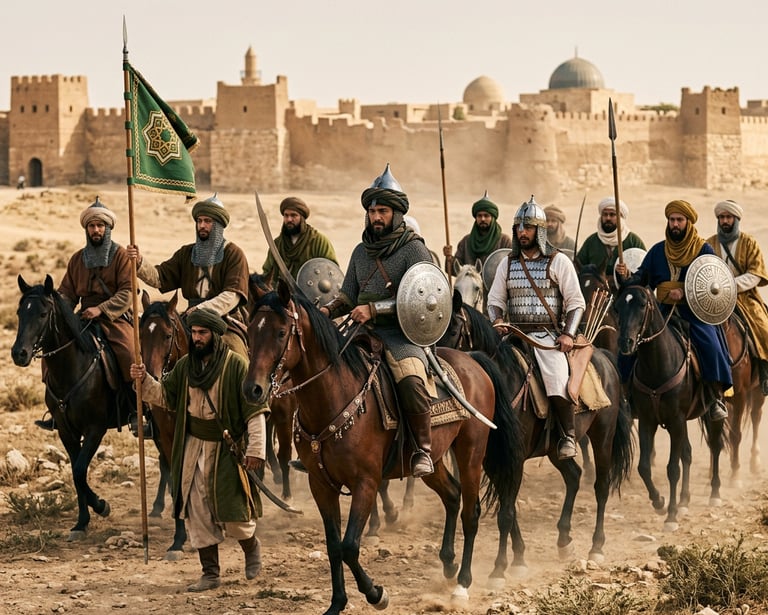
The Mongol storm had passed, leaving behind scars—but also a rebirth. And now, Islam stood poised for a new era, stronger, wiser, and ready once again to shape the world in astonishing new ways.
(End of Chapter 8)